

Why And How to Properly Crate Train Your Puppy
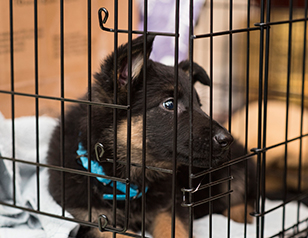
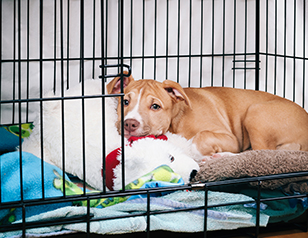
Crate training a puppy is one of the most effective ways to build structure, encourage calm behaviour, and support early development. When done properly, a crate is not a form of confinement. It becomes a secure, comfortable space where your puppy can rest, reset, and learn boundaries.
Many owners struggle because they are unsure how to crate train a puppy in a way that feels natural and effective. Without the right approach, it is easy to create stress, resistance, or inconsistent habits.
At Alpha Paws, we have been helping dog owners since 2001. With over 20 years of hands-on experience working with dogs and wolves, our approach focuses on communication, structure, and calm leadership. Crate training plays a key role in housebreaking, routine building, and establishing a balanced relationship between you and your puppy.
When introduced correctly, crate training becomes the foundation for better behaviour both inside and outside the home. Programs like our Puppy Pre-School help owners build these habits early, making long-term training much easier.
Crate Training a Puppy Requires Sequestering, Routine, Praise, And Patience
Successful crate training is built on a few key principles. When applied consistently, these create a calm and predictable environment where your puppy can learn quickly and confidently.
Sequestering, or controlled space, helps reduce anxiety and overstimulation. Puppies do not need constant freedom. In fact, too much space too early often leads to confusion, accidents, and unwanted behaviours. A crate provides a clear boundary where your puppy can settle and relax.
Routine is equally important. Feeding times, bathroom breaks, rest periods, and crate time should follow a consistent schedule. This predictability helps your puppy understand what is expected and when, which naturally reduces stress and improves behaviour.
The benefits of crate training a puppy become clear when structure is in place. Puppies learn to control their bladder, avoid destructive habits, and develop the ability to relax on their own. The crate also becomes a safe space during busy moments, travel, or when guests are present.
Praise should be calm and controlled. Overexcitement can create confusion, especially when introducing the crate. Instead, reward your puppy with quiet approval when they enter or settle in the crate on their own.
Patience is what ties everything together. Crate training does not happen overnight. Rushing the process or reacting emotionally to whining often creates setbacks. Consistency and calm leadership are what lead to long-term success.
If you need guidance building this structure, programs like Basic Obedience Training and In-Home Consultations can help you apply these principles in real-life situations.
Choosing the Best Crate for Your Puppy
Choosing the best crate for a puppy plays a direct role in how successful your training will be. The right crate should support comfort, safety, and proper behaviour from the start.
Size is one of the most important factors. Your puppy should be able to stand, turn, and lie down comfortably, but not have extra space to use one side as a bathroom. If the crate is too large, it can slow down house training. Many crates include dividers, which allow you to adjust the space as your puppy grows.
There are several crate types to consider. Wire crates are popular because they provide airflow and visibility. Plastic crates create a more enclosed, den-like environment and are often useful for travel. Fabric crates are lightweight but are not ideal for puppies that chew. Wooden crates may look appealing, but are better suited for fully trained dogs.
Look for practical features such as secure latches, durable materials, and removable trays for easy cleaning. These details make day-to-day use much easier and safer.
Crate placement also matters. The crate should be in a calm area where your puppy can still see and hear the household. Avoid isolating the crate in another room, especially during the early stages of training.
How to Crate Train a Puppy Step-by-Step
Understanding how to crate train a puppy comes down to progression and consistency. The goal is to introduce the crate in a way that feels natural, not forced.
Start by allowing your puppy to explore the crate freely. Keep the door open and let them move in and out on their own. You can place toys or meals inside to build a positive association.
Once your puppy is comfortable entering the crate, begin closing the door for short periods. Stay nearby and keep the experience calm. Gradually increase the duration as your puppy becomes more relaxed.
As part of your puppy’s crate training schedule, begin incorporating short crate sessions throughout the day. This may include time after play, during rest periods, or while you are at home. This teaches your puppy that the crate is part of their normal routine, not something that only happens when you leave.
Over time, you can extend crate duration and begin leaving the room or the house for short periods. Keep departures and arrivals low-key to avoid creating anxiety.
Nighttime training follows the same principles. Puppy crate training at night should include a clear routine. Limit food and water before bed, provide a final bathroom break, and place the crate near your sleeping area in the early stages. Young puppies may need one or two overnight breaks, especially in the first few weeks.
If you are dealing with your puppy barking at night while you are crate training, avoid reacting immediately. Make sure their needs are met, then allow them time to settle. Responding to every sound can quickly create a habit.
Most puppies adjust to the crate within a few weeks when the process is consistent. The key is not speed, but stability.
Common Crate Training Mistakes to Avoid
Even with the right approach, mistakes can slow down progress. Recognizing them early can make a significant difference.
One of the most common issues is using the crate as punishment. This creates a negative association and leads to resistance. The crate should always be a calm, neutral space.
Letting your puppy out while they are whining is another common mistake. This teaches them that noise leads to freedom. Instead, wait for a moment of calm before opening the door.
Inconsistent routines also create confusion. If crate time, feeding, and bathroom breaks are unpredictable, your puppy will struggle to settle.
Overusing the crate can be just as problematic. Puppies need a balance of structure, activity, and rest. The crate should support training, not replace interaction.
These puppy crate training tips are simple, but they make a major difference in long-term results.
Get Professional Help with Crate Training Your Puppy
Crate training a puppy can feel overwhelming, especially for first-time owners. Small mistakes early on can lead to ongoing challenges with behaviour, routine, and anxiety.
At Alpha Paws, we have been helping dog owners since 2001 with practical, results-driven training. Our approach focuses on teaching owners how to communicate clearly with their dogs using calm, consistent methods.
Through one-on-one sessions and In-Home Consultations, we guide you through how to crate train a puppy in a way that fits your home, your routine, and your dog’s behaviour.
If you are working through crate training or want to start the right way from the beginning, contact Alpha Paws today at 905-830-9500 or 1-877-868-7297 to learn more about our puppy training programs.