

Obedience Training vs Behaviour Training
Many dog owners assume all training is the same, but that is where confusion begins. Understanding obedience training vs behaviour training is essential if you want real, lasting results with your dog. While both approaches aim to improve your dog’s actions, they focus on very different things and produce very different outcomes over time.
Choosing the wrong type of training can lead to frustration, inconsistent results, and ongoing behavioural issues. Knowing the difference between dog training methods allows you to make better decisions, set realistic expectations, and build a more balanced relationship with your dog from the beginning.
What Is Obedience Training for Dogs?
Obedience training focuses on teaching your dog how to follow commands. It builds structure, improves communication, and establishes clear expectations between you and your dog. This type of training is often the starting point for most dog owners.
What Obedience Training Teaches
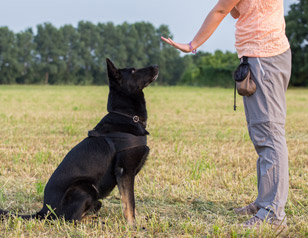
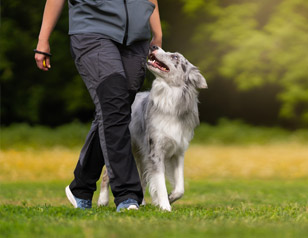
In dog obedience training vs behaviour training, obedience work is centred around commands like sit, stay, come, heel, and down. These commands help create a foundation of control and responsiveness that makes everyday life easier.
Obedience training also teaches your dog to focus on you despite mild distractions. This improves safety, especially in situations like walking near traffic or interacting with new people. It gives owners a way to guide their dog’s actions in a clear and structured way.
At Alpha Paws, our Basic Obedience Training helps owners establish leadership and consistent communication, which are essential for long-term success.
Where Obedience Training Has Limits
While obedience training is valuable, it does not address why a dog behaves a certain way. It focuses on what the dog does, not what the dog feels.
A dog may sit on command but still feel anxious, reactive, or overly excited in certain situations. This means the behaviour may reappear as soon as the dog is no longer being directed. This is where obedience training alone may fall short, especially when deeper behavioural issues are involved.
What Is Behaviour Training for Dogs?
So, what is behaviour training for dogs? Behaviour training goes beyond commands and focuses on changing how a dog thinks, feels, and reacts in different situations. It addresses the root cause of unwanted behaviour rather than just managing the symptoms.
Behaviour Training Focuses on Emotional Control
Behaviour training for dogs means working on emotional responses such as fear, anxiety, frustration, or overexcitement. These emotions often drive behaviours like barking, lunging, aggression, or avoidance.
Instead of simply correcting the outward behaviour, this approach teaches the dog how to remain calm and balanced. For example, a reactive dog is not simply disobedient. It may be overwhelmed or unsure. Behaviour training helps the dog learn how to process that situation in a controlled way.
Alpha Paws specializes in resolving these deeper issues through structured programs like Behaviour Issues Training and personalized In-Home Consultations, where real-life triggers can be addressed directly.
Why Behaviour Training Takes More Time
Unlike obedience training, behaviour work is not instant. It requires consistency, repetition, and exposure to real-world situations. Progress often happens gradually as the dog builds new habits and responses.
Because you are changing emotional patterns rather than just actions, the process takes more time. However, the results are more stable and reliable. Once a dog learns to remain calm in challenging situations, that behaviour becomes part of its natural response rather than something that needs constant correction.
The Difference Between Dog Training Methods
Understanding the difference between dog training methods helps explain why some training programs produce quick results while others focus on long-term change.
Command Compliance vs Behaviour Regulation
In dog obedience training vs behaviour training, obedience is about compliance. It teaches your dog to perform specific actions when asked. Behaviour training is about regulation. It helps your dog maintain a calm and controlled state regardless of what is happening around them.
A dog trained only in obedience may respond well in structured situations but struggle when emotions are involved. A dog trained in behaviour is better equipped to handle unexpected situations without reacting negatively.
This distinction is important because many behavioural issues are not caused by a lack of training, but by a lack of emotional control.
Why Environment Matters in Behaviour Training
Behaviour training must happen where the behaviour occurs. Dogs do not automatically apply what they learn in one setting to another. This is why environment plays such a critical role.
For example, a dog that behaves well at home may react very differently in a park or on a busy street. Training in real environments helps the dog learn to stay balanced in the situations that actually matter.
Programs like Alpha Paws’ Behaviour Issues Training focus on working in your dog’s natural surroundings. This approach leads to more consistent and long-term results because the training is directly connected to real-life experiences.
Does Obedience Training Fix Behaviour Problems?
A common question is, does obedience training fix behaviour problems? The answer is sometimes, but not in every case.
Obedience training can help manage mild issues by improving focus and giving the owner more control. Commands can interrupt unwanted behaviour and redirect the dog in the moment. This can be helpful for building structure and preventing situations from escalating.
However, obedience training does not address the underlying emotional cause of the behaviour. If a dog is acting out due to fear, anxiety, or frustration, those feelings will still exist even if the dog follows commands.
For more serious concerns like aggression, reactivity, or ongoing anxiety, obedience alone is not enough. These situations require targeted behaviour work that focuses on long-term change.
Without addressing the root cause, the behaviour often returns and can become more difficult to manage over time.
When Behaviour Training Is the Better Choice
There are situations where behaviour training for dogs explained becomes the clear and necessary approach.
Dogs dealing with fear, aggression, leash reactivity, excessive barking, separation anxiety, or destructive habits need more than basic obedience. These behaviours are driven by emotional responses that require a structured and thoughtful approach.
Behaviour training is also important for dogs that appear well-trained but still react unpredictably. In these cases, the dog may understand commands but lack the emotional control to apply them consistently.
Structured programs like Behaviour Issues Training and personalized In-Home Consultations allow trainers to observe real triggers and create a plan that fits the dog’s specific needs.
This type of training focuses on long-term improvement rather than quick fixes. Our trainers will be happy to help if you have questions or need behaviour training for dogs explained.
Choosing the Right Training Approach for Your Dog
Choosing between obedience training and behaviour training depends on your dog’s behaviour, temperament, and current challenges.
If your dog lacks basic structure, ignores commands, or is difficult to manage in everyday situations, obedience training is a strong starting point. It builds the foundation needed for clear communication.
If your dog struggles with emotional reactions such as fear, anxiety, or reactivity, behaviour training is the more effective option. It targets the root cause and leads to more lasting results.
In many cases, combining both approaches provides the best outcome. The key is identifying what your dog truly needs and choosing a training plan that addresses both behaviour and communication.
FAQs
Why Do Some Dogs Obey Commands but Still React Emotionally?
Because obedience training does not change emotional responses. A dog may understand commands but still feel fear, anxiety, or excitement, which can lead to reactive behaviour.
Is Behaviour Training Only for Aggressive Dogs?
No. Behaviour training is for any dog struggling with emotional control. This includes fear, anxiety, overexcitement, and reactivity, not just aggression.
How Long Does Behaviour Training Usually Take?
It depends on the dog, the environment, and the issue being addressed. Behaviour training typically takes longer than obedience training because it focuses on creating lasting emotional change.
Choosing the Right Training Approach Leads to Better Behaviour Outcomes
Understanding obedience training vs behaviour training helps you make informed decisions and avoid unnecessary frustration. While obedience builds structure and communication, behaviour training for dogs explained focuses on lasting change by addressing the root of the problem.
At Alpha Paws, we work with dog owners to identify the right approach based on their dog’s specific needs and behaviour. If your dog is showing signs of behavioural challenges or you are unsure where to begin, contact Alpha Paws today to learn how we can help you build a calm, respectful, and well-balanced relationship with your dog.