

A Complete Puppy Potty Training Guide
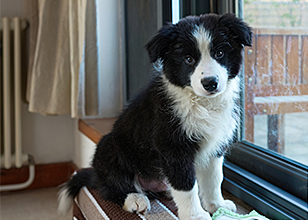
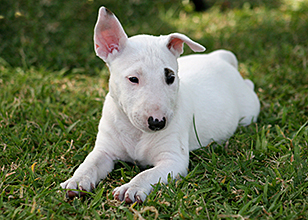
Bringing a puppy home is exciting, but it also comes with responsibility. This puppy potty training guide explains how to create structure and consistency from day one, so your puppy understands what is expected. House training does not begin weeks later. It starts the moment your puppy enters your home.
Many owners hope for quick results, but potty training a puppy is built on repetition, supervision, and leadership. With the right approach, you can lay the foundation for reliable puppy house training and a long, positive relationship with your dog.
Potty Training Steps for Success
When learning how to potty train a puppy, it helps to understand that success depends more on consistency than speed. Age, routine, and supervision all influence progress. Most puppies develop reliable control between four and six months of age, although some may take longer depending on size, maturity, and previous habits.
A structured puppy potty training schedule is one of the most important tools you have. Puppies thrive on predictability. Feeding at consistent times, taking them outside regularly, and supervising closely all help them understand where elimination is appropriate.
Potty training a puppy is not about forcing behaviour. It is about creating patterns that make the correct choice easier and clearer. Leadership and repetition matter more than promises of fast results.
Families who want structured early guidance often benefit from enrolling in a program such as Puppy Pre-School, where foundational routines and communication are introduced in a clear and supportive way.
Take Puppies Out at Regular Intervals
Young puppies need frequent bathroom breaks. In general, a puppy can hold their bladder for the number of hours equal to their age in months, plus one. However, activity level, excitement, and drinking water can shorten that window.
Take your puppy outside:
- First thing in the morning
- After meals and water
- After naps
- After play sessions
- Before bedtime
Early in the process, some puppies may need to go out as often as every 30 to 60 minutes when awake.
Potty Training Tips When Taking Your Puppy Outside
Consistency outdoors matters. Bring your puppy to the same area each time so they begin to associate that location with elimination. Stay calm and avoid turning the outing into playtime before they finish.
Using a consistent potty phrase can help your puppy connect a cue to the action. Over time, this reinforces understanding. Once they finish, offer calm praise and positive acknowledgement immediately.
Remain outside briefly after they eliminate, so they do not associate going potty with the trip ending right away.
Tracking Your Puppy’s Potty Schedule
Tracking patterns can significantly improve your puppy’s potty training schedule. Note when your puppy eats, drinks, eliminates, and has accidents. Patterns will begin to emerge.
If accidents consistently happen at a certain time, adjust your schedule proactively. This approach prevents repeated mistakes and supports steady puppy house training progress.
Crate Training Your Pup
Crate training a puppy for potty training can help prevent accidents when you cannot supervise directly. Dogs naturally avoid soiling their sleeping area, which supports bladder control development.
The crate should be large enough for your puppy to stand and turn around comfortably, but not so large that they can eliminate in one corner and sleep in another. The crate must never be used as punishment. It should remain a calm, secure space.
If accidents occur in the crate, reassess timing, crate size, and frequency of outdoor breaks.
Supervision
Active supervision is essential. Many puppy potty training problems occur simply because the puppy had too much freedom too soon.
If you cannot supervise closely, use a crate, baby gate, or leash to limit access. Watch for body language such as circling, sniffing, pacing, or moving toward a previous accident area.
Teaching your puppy how to signal you can also reduce accidents. Some owners use a bell near the door so the puppy can indicate when they need to go outside. Consistency is key when introducing this type of communication.
Dealing with Accidents in the House
Accidents will happen. If you catch your puppy in the act, interrupt gently and take them outside to finish. Avoid yelling or punishment. Harsh reactions can create confusion or cause a puppy to hide future accidents.
If you discover a mess after the fact, simply clean it properly and continue with your routine.
Cleaning Up Pet Accidents
Thorough cleaning prevents repeat accidents. Use an enzyme-based cleaner that breaks down urine and waste at a molecular level. Regular household cleaners may remove the stain but leave behind scent markers that attract your puppy back to the same area.
Soak the area fully and allow the cleaner to work before blotting dry. Proper cleanup is a critical part of avoiding repeated puppy potty training problems.
The Most Important Aspect of Potty Training – Praise
Positive reinforcement builds understanding. When your puppy eliminates outside, offer calm, clear praise immediately. This helps them connect the action with the outcome.
Patience is essential. Puppies learn at different speeds. Consistent praise, repetition, and steady leadership will produce better long-term results than frustration or unrealistic expectations.
Common Puppy Potty Training Mistakes to Avoid
Many puppy potty training mistakes are unintentional.
Inconsistent schedules are one of the most common issues. If meals and potty breaks vary daily, your puppy cannot predict when to eliminate. Giving too much freedom too early also leads to preventable accidents.
Emotional corrections are another problem. Punishing or scolding after accidents often creates confusion rather than understanding. Poor cleanup practices can also cause repeat accidents in the same location.
Some puppy potty training problems arise from unrealistic expectations. A few accident-free days do not mean training is complete. Consistency must continue even when progress appears steady.
A Reality Check on Puppy Potty Training Progress
Even with a strong routine, accidents during potty training can still happen. Puppy potty training regression is common during growth stages or environmental changes.
Regression does not mean failure. It does not mean you have undone your work. Puppies mature at different rates, and progress is rarely perfectly linear.
If your puppy has an accident after several good days, return to structure and supervision. Puppy potty training problems are often temporary when consistency remains in place.
You are not doing everything wrong. Setbacks are part of learning.
When Puppy Potty Training Needs Extra Support
Sometimes, despite consistent effort, progress stalls. In these cases, personalized guidance can help clarify what may be missing in your puppy house training approach.
Alpha Paws was founded by Peter Brown in 2001 and brings over 20 years of hands-on experience working with dogs and wolves. Our approach focuses on communication, structure, and leadership within the home environment.
Through personalized support and in-home consultations, we help owners understand how their daily routines influence behaviour and how to create clearer expectations for their puppy.
This puppy potty training guide provides the structure to begin confidently. With consistency, patience, and clear leadership, puppy house training becomes more manageable over time. If you need additional support, Alpha Paws is here to help you build lasting success from the very beginning.