

The Complete Off-Leash Dog Training Guide
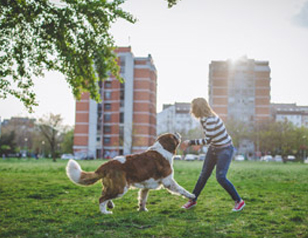
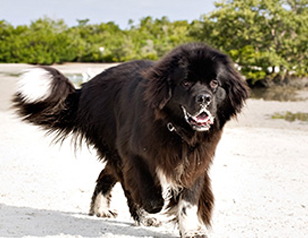
Watching your dog explore their surroundings freely and return to you when called is one of the most rewarding experiences of dog ownership. However, achieving this level of reliability begins long before you remove the leash.
Off-leash freedom is earned through consistent communication, reliable recall, impulse control, and calm leadership. It is a natural progression of the relationship and obedience you establish during everyday training.
This complete guide to off-leash dog training explains how to develop these skills, recognize your dog’s limitations, and introduce greater freedom responsibly. With patience, regular practice, and guidance from our Off-Leash Training Program, you can build a stronger and more trusting relationship with your dog.
What Off-Leash Training Really Means (and What It Doesn’t)
Off-leash training involves teaching your dog to remain attentive and responsive to your instructions without relying on the physical presence of a leash. Removing the leash does not mean removing the rules or allowing your dog to ignore established boundaries.
Strong basic obedience foundations are essential for developing dependable off-leash behaviour. Your dog should understand everyday instructions and demonstrate the ability to follow them even when something else catches their attention.
Important off-leash obedience foundations include:
- Recall: Returning promptly when called.
- Stay: Remaining in position until given permission to move.
- Heel: Walking close to you when necessary.
- Leave it and drop it: Disengaging from or releasing potentially dangerous objects.
- Stop and down: Responding to instructions that may help prevent dangerous situations.
- Look: Redirecting their attention towards you when distractions arise.
At Alpha Paws, we emphasize clear communication and consistent leadership rather than relying on treats to gain a dog’s cooperation. The objective is to develop a relationship in which your dog understands your expectations and feels comfortable following your guidance.
When practiced safely, off-leash activities also provide valuable opportunities for physical exercise, mental stimulation, and exploration. Activities such as running, playing fetch, and exploring designated off-leash areas allow dogs to engage with their surroundings while strengthening their connection with their owners.
Building the Trust Foundation Before Removing the Leash
Building trust off-leash begins with the interactions you have with your dog every day. Your dog needs to understand your instructions, recognize your expectations, and feel confident looking to you for guidance.
Establish Consistent Communication
Use clear verbal cues, calm body language, and consistent expectations. Everyone in your household should use the same instructions to avoid confusing your dog.
Pay attention to your own behaviour during training. Frustration, shouting, or unpredictable reactions can make your dog anxious or reluctant to respond. Remaining patient and composed helps create an environment where learning is easier.
Introduce Long-Line Training
Once your dog demonstrates reliable obedience on a regular leash, introduce a long training line attached to a well-fitting harness.
A long line allows your dog to explore at a greater distance while giving you a physical safeguard. Practice recall, changes in direction, and attention exercises in a quiet, open, secure environment.
Avoid jerking the line or allowing your dog to run at full speed towards its end. The purpose is to practice communication at a distance while maintaining safety.
Encourage Natural Check-Ins
During walks and training sessions, acknowledge your dog when they voluntarily look towards you or return to your side. These small interactions encourage your dog to remain connected with you while exploring.
If your dog struggles with attention, leash manners, or understanding instructions, professional in-home training support can help establish these foundations in a familiar environment.
Teaching a Reliable Recall Step by Step
Recall is one of the most important skills your dog needs before experiencing off-leash freedom. Effective off-leash recall training requires regular practice, clear instructions, and a gradual increase in difficulty.
1. Start in a Low-Distraction Environment
Begin indoors or in a securely fenced backyard. Choose a consistent recall word, such as “come” or “here,” and practice when your dog is relaxed and attentive.
Keep the initial distance short so your dog has an opportunity to succeed.
2. Acknowledge Your Dog’s Response
When your dog returns, acknowledge their response with genuine praise, affection they enjoy, or playful engagement.
The objective is to make returning to you a positive experience without creating a dependence on food-based motivation.
3. Gradually Increase the Distance
Once your dog responds consistently at short distances, practice from farther away using a long training line. Increase the distance gradually rather than expecting immediate results in unfamiliar surroundings.
If your dog struggles, return to a distance where they can respond successfully.
4. Introduce Controlled Distractions
Begin introducing mild distractions, such as toys or familiar people. Gradually work towards more challenging situations while maintaining physical safeguards.
Observe your dog’s body language. Intense staring, pulling, or heightened excitement may indicate that the distraction is currently too challenging.
5. Incorporate Recall into Everyday Play
Games such as hide-and-seek, back-and-forth recall between family members, and fetch can make training more engaging.
Occasionally call your dog during play, acknowledge their response, and allow them to resume the activity. This helps prevent them from associating recall exclusively with the end of their freedom.
Most importantly, never call your dog to punish them. Even if they take longer than expected to return, respond calmly and adjust your next training session accordingly.
Common Mistakes That Break Off-Leash Trust
When teaching a dog to walk off-leash safely, avoiding common training mistakes is just as important as practising obedience.
Rushing the Training Process
Removing the leash before your dog demonstrates reliable obedience can put them in situations they are not prepared to handle. Do not skip long-line training simply because your dog responds well at home.
Repeating or Changing Recall Commands
Frequently repeating instructions or switching between different recall words can create confusion. Use one consistent cue and practice under conditions where your dog can understand and respond to it.
Introducing High-Risk Distractions Too Soon
Roads, wildlife, unfamiliar dogs, and crowded public spaces are unsuitable environments for testing your dog’s off-leash reliability. Practice around controlled distractions while maintaining a leash or long line.
Overlooking Your Dog’s Individual Tendencies
Every dog has different behavioural characteristics that can influence their off-leash reliability. Some common concerns include:
- A strong instinct to chase squirrels, rabbits, or other animals.
- A tendency to chase moving vehicles.
- Fear of thunderstorms, fireworks, or sudden noises.
- Excessive excitement or reactivity around other dogs.
- A tendency to wander beyond a safe distance.
Understanding these behaviours helps you make informed decisions about when and where your dog can safely experience greater freedom.
Allowing Frustration to Affect Training
If your dog repeatedly ignores an instruction, consider whether they understand the cue, whether the environment is too distracting, or whether additional foundational training is needed.
Responding harshly can undermine the trust you are working to establish. If behavioural challenges continue to interfere with progress, our behaviour support programs can help address these concerns.
When Your Dog Is Ready for Real-World Off-Leash Freedom
Successful off-leash reliability training is measured by consistent behaviour rather than the number of weeks or months your dog has been practising.
Before removing the leash, consider whether your dog:
- Returns promptly when called, even around controlled distractions.
- Remains calm and manageable around other dogs and people.
- Responds consistently to essential safety commands.
- Maintains an appropriate distance without constantly being reminded.
- Voluntarily checks in with you while exploring.
- Can disengage from interesting objects or activities when instructed.
- Demonstrates reliable obedience in different controlled environments.
Once your dog consistently demonstrates these behaviours, begin practising without a leash in a securely enclosed area.
Remember that even a well-trained dog can react unexpectedly to a frightening noise, unfamiliar animal, or sudden movement. No amount of training guarantees complete off-leash safety.
Always follow local leash regulations and keep your dog leashed near traffic, in crowded areas, and wherever environmental conditions present unnecessary risks. Some dogs may always require a leash or secure enclosure in certain situations.
Responsible off-leash freedom means understanding your dog’s abilities without overestimating them.
When to Bring in Professional Off-Leash Support
While these off-leash dog training tips can help you establish good habits, every dog progresses differently. Professional guidance can be particularly beneficial if your dog struggles with recall, impulse control, distractions, or maintaining attention.
At Alpha Paws, we understand that dependable off-leash behaviour begins with a strong relationship between dogs and their owners.
With over 20 years of hands-on experience working with dogs and wolves, Alpha Paws founder Peter Brown has developed a training approach centred on communication, trust, and consistent leadership.
Our personalized, one-on-one Off-Leash Training Program helps owners better understand their dogs and develop the skills necessary for responsible off-leash freedom.
Explore our dog training programs and pricing or contact Alpha Paws today to learn how we can help you build a stronger, more reliable relationship with your dog.