

The Complete Puppy Potty Training Guide
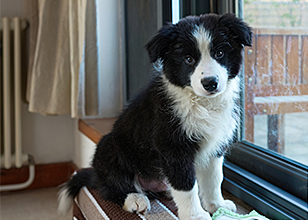
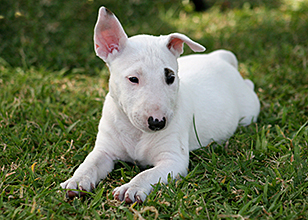
Potty training starts the day your puppy comes home. Effective training requires a consistent schedule, careful supervision, correct timing, and calm praise and acknowledgement when your puppy eliminates outside. Accidents are normal, particularly during the first few weeks, and should be treated as information about where the routine needs adjusting.
Many house training difficulties come back to owner consistency rather than puppy stubbornness. Your puppy can only succeed when schedules, supervision, and household rules are consistent. For additional guidance during these early stages, Alpha Paws offers puppy preschool training.
When to Start Puppy Potty Training
Puppy house training should begin the day your puppy arrives home, regardless of age. Starting immediately helps establish clear expectations before unwanted habits have an opportunity to develop.
Between approximately eight and twelve weeks old, puppies have limited bladder and bowel control. They need frequent opportunities to eliminate and cannot reasonably be expected to follow an adult dog’s schedule. Waiting until a puppy seems “ready” can make housebreaking a puppy more difficult.
Instead, focus on what you can control. Establish regular feeding times, take your puppy outside frequently, and supervise closely when they are indoors. Everyone in the household should follow the same routine and expectations.
At this age, your schedule matters more than your puppy’s readiness. Consistency helps your puppy begin recognizing a predictable pattern between eating, sleeping, playing, going outside, and eliminating.
A Puppy Potty Training Schedule That Works
A good puppy potty training schedule does not need to be complicated. What matters is creating a pattern you can repeat consistently every day.
Take your puppy outside first thing in the morning, after waking from naps, after active play, before bedtime, and shortly after eating. A useful starting point is approximately 15 to 20 minutes after meals. Very young puppies may also need bathroom breaks every 30 to 60 minutes while awake, particularly during active periods.
Overnight breaks depend on your puppy’s age and individual bladder control. Young puppies may need one or more trips outside during the night. As bladder control develops, these intervals can gradually become longer.
Choose one outdoor potty area and take your puppy there consistently. Keep the trip focused until your puppy eliminates. Using the same simple verbal cue each time, such as “go potty,” can help your puppy associate the words, location, and action.
After success, provide immediate, calm praise and acknowledgement. You can then remain outside briefly so your puppy does not learn that eliminating automatically means outdoor time ends.
Tracking meals, water, naps, potty trips, and accidents can reveal useful patterns. These predictable routines are also an important part of building training routines beyond house training.
How to Use Crate Training for Potty Training
Crate training for potty training can be particularly useful when you cannot actively supervise your puppy. Dogs generally prefer not to soil the area where they sleep, so an appropriately used crate can support the development of better bladder and bowel control.
Size matters. Your puppy’s crate should provide enough room to stand, lie down, and turn around comfortably. It should not be so large that the puppy can regularly eliminate at one end and sleep at the other.
A crate should always be a safe, comfortable resting area, never a punishment. Structured crate time and naps can help make your puppy’s daily routine more predictable, but confinement cannot replace regular bathroom breaks.
Never expect a young puppy to remain crated longer than they can physically hold their bladder. If crate accidents occur, reconsider the length of confinement, potty timing, and crate size rather than assuming your puppy is misbehaving.
Why Puppies Have Accidents, And What It Means
Accidents are a normal part of learning. Instead of treating one as a failure, consider what it tells you about your puppy’s routine.
Many puppy potty training problems happen because a puppy received too much freedom too soon or an important potty window was missed. Excitement, stress, changes in environment, and unfamiliar routines can also cause temporary setbacks.
If a previously reliable puppy suddenly begins having frequent accidents, consider a veterinary assessment. Urinary tract infections, gastrointestinal problems, and other medical conditions can affect elimination habits.
Indoor accidents also need to be cleaned thoroughly with an enzyme-based pet cleaner. Lingering odours can encourage a puppy to return to the same location.
If you are struggling to identify why accidents continue despite a consistent routine, in-home puppy support can help identify issues within the puppy’s everyday environment.
Common Puppy Potty Training Mistakes to Avoid
Many common potty training mistakes come from expecting too much freedom or progress too quickly.
Giving a puppy unrestricted access to the home before they are reliable creates opportunities for accidents. When you cannot supervise directly, use an appropriately sized crate, baby gate, leash, or another safe form of controlled access.
Punishing accidents is another mistake. Do not yell, strike your puppy, rub their nose in waste, or punish them after discovering an accident. If you catch your puppy eliminating indoors, calmly interrupt and take them to the correct outdoor location.
Avoid ammonia-based cleaning products for urine accidents. The odour can encourage some dogs to return to that area. An enzymatic pet cleaner is a better option.
Finally, everyone in the household needs to follow the same rules. Different schedules, cues, and expectations make learning harder. One of the most useful puppy potty training tips is also the simplest: consistency between people matters just as much as consistency from one day to the next.
How Long Does Puppy Potty Training Take?
There is no exact timeline for every puppy. Many puppies show substantial progress between four and six months of age, but complete reliability can take six to twelve months depending on maturity, breed, previous habits, environment, and owner consistency.
A few accident-free days do not necessarily mean puppy house training is complete. Continue your schedule and supervision even when progress appears strong.
Temporary regression is also normal. Growth, excitement, schedule changes, a new environment, or other disruptions can cause an accident after weeks of progress. Rather than starting over or becoming frustrated, return to the routine that was working. Consistent expectations help your puppy get back on track.
How Alpha Paws Supports Puppy House Training
Sometimes owners follow the basic steps but still struggle to understand why accidents continue. Professional guidance can help identify small gaps in timing, supervision, communication, or household structure that are difficult to recognize on your own.
Alpha Paws was founded by Peter Brown in 2001. With more than 20 years of hands-on experience working with dogs and wolves, Peter’s approach focuses on helping owners understand canine behaviour and communicate clearly with their dogs.
Through Puppy Preschool and personalized In-Home Consultations, Alpha Paws helps owners establish practical routines, leadership, and clear expectations from the beginning. Training is owner-led and designed around communication, love, respect, and consistency rather than relying on food rewards.
For personalized puppy training support in Southern Ontario, contact Alpha Paws to discuss your puppy and training needs.
FAQs About Puppy Potty Training
What If My Puppy Keeps Going in the Same Spot Inside?
Clean the area thoroughly with an enzyme-based pet cleaner and restrict access while training. Repeated accidents in one location can mean residual odour remains or that supervision and potty timing need adjustment.
Should I Wake My Puppy at Night to Go Potty?
Very young puppies may need overnight potty breaks because they cannot yet hold their bladder all night. As your puppy matures and remains consistently dry, you can gradually increase the time between nighttime trips.
When Should I Stop Using Puppy Pads?
If your goal is outdoor elimination, begin transitioning away from pads once you can maintain regular outdoor trips. Continuing both systems for too long can make expectations less clear. Move gradually toward one consistent routine.
Need help establishing the right routine? Alpha Paws Puppy Preschool provides structured early training, or you can contact Alpha Paws to discuss personalized support. You can also call 905-830-9500 or toll-free at 1-877-868-7297.