
How to Stop Food Aggression in Dogs
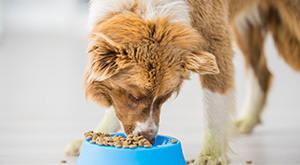 Food aggression is a form of resource guarding where a dog tries to protect food, treats, toys, or other valued items from people or other animals. Common signs include growling, stiffening, rushing food, snapping, or guarding the food bowl. The goal is not to punish the dog, but to reduce tension, establish a clear structure, and prevent the behaviour from escalating. If your dog has attempted to bite or poses a safety risk, professional aggressive behaviour training is recommended.
What Is Food Aggression in Dogs?
Food aggression in dogs occurs when a dog feels the need to defend valuable resources. Although food bowls are the most common trigger, many dogs will also guard treats, bones, toys, garbage, food being prepared on the counter, favourite resting places, or even people. Some dogs direct this behaviour toward other dogs, while others become protective around family members or visitors.
Resource guarding is a natural canine instinct, but it becomes a behavioural concern when it creates safety risks or causes stress within the household. Addressing these behaviour issues in dogs early helps prevent the behaviour from becoming more deeply established.
Signs Your Dog Is Aggressive Over Food
Food aggression often develops gradually, making it important to recognize early warning signs before the behaviour escalates. Mild behaviours may include your dog growling when eating, raising their hackles, baring their teeth, or becoming noticeably tense as someone approaches the food bowl. Some dogs will suddenly stop eating, freeze, gulp their food quickly, or closely watch anyone nearby.
Moderate food aggression in dogs may involve snapping, lunging, or blocking access to the food. In more severe cases, a dog aggressive over food may bite, chase people or other pets away, or guard multiple resources beyond mealtime. Identifying these behaviours early gives owners the best opportunity to address them safely before they become more serious.
What Causes Food Aggression and Resource Guarding?
Food guarding develops for many different reasons, and it is important not to assume a dog is simply being stubborn or dominant. Instinct plays a role, as dogs naturally protect valuable resources. Competition for food during puppyhood, shelter or rescue experiences, trauma, uncertainty about future meals, and living in a multi-dog household can all contribute to food aggression in dogs.
Puppy food aggression can sometimes be prevented through consistent routines, early socialization, and appropriate guidance before guarding behaviours become established. While resource guarding is a normal canine behaviour, it becomes a problem when it is directed toward people or creates a risk of injury. Building strong puppy behaviour foundations can help encourage confident, well-adjusted behaviour as your puppy matures.
What Not to Do Around a Food-Guarding Dog
Owners sometimes make well-intentioned mistakes that increase anxiety around food. Avoid punishing, scolding, grabbing the food bowl, or intentionally testing your dog’s reaction. Confronting a dog while they are guarding food can increase stress and make the behaviour worse over time.
It is also important not to assume that handfeeding or repeatedly disturbing a dog while eating will automatically solve the problem. For some dogs, these interactions simply create additional tension and reinforce the need to protect their food. Instead, focus on creating calm, predictable feeding routines and seek professional guidance if the behaviour continues or escalates.
How Food Aggression in Dogs Should Be Approached in Training
Food aggression training should focus on helping the dog feel secure while teaching appropriate behaviour through structure, consistency, and calm leadership. Rather than relying on punishment, training should reduce the dog’s need to guard valuable resources and improve communication between the owner and the dog.
Controlled feeding routines, clear household expectations, and feeding dogs separately when necessary can help reduce conflict. In multi-dog homes, crates, baby gates, or separate rooms may provide a safer feeding environment and help prevent competition over food. Professional trainers may also use gradual desensitization and counterconditioning techniques when appropriate to change a dog’s emotional response to people or other dogs approaching valuable resources.
Because every dog and household is different, an in-home behaviour consultation allows training to be tailored to the dog’s specific triggers and daily environment.
When to Get Help for Dog-on-Dog Food Aggression
If you are wondering how to stop dog-on-dog food aggression, professional support is often the safest option when conflicts have already begun. Dogs that regularly fight near food bowls, guard resources from other pets, snap at family members, or display aggression around children require careful assessment.
Children may not recognize the warning signs of resource guarding, making these situations especially concerning. If your dog’s behaviour is becoming more frequent or more intense, review your training options and contact a trainer before the behaviour escalates further.
How Alpha Paws Helps with Food Aggression
 Founded by Peter Brown in 2001, Alpha Paws has helped owners build stronger relationships with their dogs through customized, one-on-one training programs. With more than 20 years of experience working with dogs and wolves, Peter’s approach emphasizes owner communication, structure, consistency, and practical behaviour modification that applies to everyday life.
Whether food aggression occurs at home, between multiple dogs, or in other real-world situations, Alpha Paws provides personalized in-home, one-on-one, and outdoor training designed around your dog’s individual needs. Learn more about Alpha Paws, explore our dog training programs, or contact us to schedule a consultation.