

How to Tell if Dogs Are Playing or Fighting
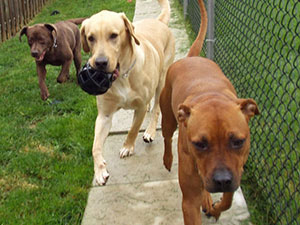 It is not always easy to tell if dogs are playing or fighting, especially when play becomes energetic. Healthy play is usually loose, balanced, and reciprocal, with both dogs taking turns chasing, wrestling, and pausing throughout the interaction. Aggressive behaviour is different. It often includes stiff body language, hard staring, resource guarding, lunging, or escalating intensity that one dog cannot escape. Recognizing these differences early allows owners to intervene before conflict becomes serious. If your dog regularly displays aggressive behaviour, professional aggressive behaviour training can help address the underlying causes.
Signs Dogs Are Playing Normally
Before learning how to know if dogs are playing or fighting, it helps to understand what healthy play looks like. Dogs at play typically display relaxed body language and take turns leading the interaction. Common signs include play bows, bouncing movements, wrestling, rolling on the ground, and short bursts of chasing. Healthy play also includes frequent pauses where both dogs briefly stop before choosing to continue.
Many owners worry when they hear barking or growling during play, but vocalizations alone do not always indicate dog aggression. Instead, pay attention to whether both dogs remain relaxed and willingly re-engage after short breaks. Early socialization helps puppies learn appropriate play skills and improves their ability to communicate with other dogs.
Signs of Aggression in Dogs Owners Should Watch For
Recognizing the signs of aggression in dogs can help prevent injuries and stop conflicts before they escalate. Unlike playful behaviour, aggressive interactions often become one-sided and continue without interruption. One dog may repeatedly pursue the other, ignore attempts to disengage, or react with increasing intensity instead of settling down.
Some common aggressive dog behaviour signs include:
- Stiff posture and tense muscles
- Hard, prolonged eye contact
- Raised hackles
- Bared teeth or curled lips
- Lunging, snapping, or repeated biting attempts
- Mounting combined with forceful behaviour
- Freezing before reacting
- Resource guarding around food, toys, space, or people
Dogs experiencing overstimulation are often mistaken for simply playing too hard. However, when one dog repeatedly targets another, refuses to disengage, or ignores signals to stop, the interaction has likely moved beyond normal play. Freezing before reacting is another important warning sign that owners often miss, as many dogs briefly become still before lunging or biting. If you notice these signs of aggression in dogs, addressing the issue early through professional support for behaviour concerns can help prevent future problems.
Why Dogs Suddenly Go from Playing to Fighting
Even dogs that normally get along can suddenly transition from play to aggression. High excitement can reduce impulse control, making it difficult for some dogs to regulate their behaviour. Rough wrestling, chasing, or competition over toys can quickly become confrontational.
Other common triggers include resource guarding, fear, frustration, limited socialization, tight spaces, or competition for owner attention. Busy dog parks or unfamiliar dogs may also increase stress levels. In some cases, pain or an underlying medical condition can lower a dog’s tolerance and make them more likely to react aggressively, so sudden changes in behaviour should always be taken seriously.
Learning basic obedience gives owners greater control during exciting situations and helps redirect behaviour before tension escalates. Building strong obedience foundations makes it easier to manage interactions safely.
How to Stop Dog Aggression at Home Before It Escalates
If you are wondering how to stop dogs from fighting in the same household or how to stop dog aggression at home, early intervention is essential. At the first signs of tension, calmly separate the dogs and allow them time to decompress before attempting another interaction.
Managing valuable resources such as food bowls, toys, beds, and owner attention can reduce competition. Feed dogs separately when resource guarding is a concern, provide multiple resting areas, and avoid forcing them to share high-value items. Consistent routines, regular exercise, supervision, and structured training also help reduce stress and prevent conflict.
It is also important not to punish growling. Growling is often a warning that a dog is uncomfortable, and suppressing that warning may increase the likelihood of a sudden bite. Instead, calmly interrupt the situation, identify what triggered the behaviour, and give both dogs time to settle before reintroducing them. Teaching reliable control around distractions through off-leash training and seeking professional aggression support can help create a safer and more harmonious household.
When Professional Dog Aggression Training May Be Necessary
Some situations require more than careful management. If your dogs have repeated fights, cause injuries, display unpredictable reactions, or create ongoing tension within the household, professional assessment is recommended. An experienced trainer can identify behavioural triggers that owners may overlook and develop a customized training plan.
Founded by Peter Brown in 2001, Alpha Paws draws on more than 20 years of experience working with dogs and wolves. The focus is on helping owners understand canine communication while building structure, consistency, and mutual respect. Learn more about Alpha Paws or contact us to schedule a consultation.
FAQs About Dog Play and Aggression
Should I Let Dogs Work It Out?
No. While minor disagreements happen, allowing dogs to continue fighting can lead to injuries and reinforce aggressive behaviour. It is best to interrupt interactions before they escalate and give both dogs time to calm down.
Why Does My Dog Get Aggressive During Play?
Dogs may become aggressive during play because of overstimulation, fear, frustration, resource guarding, lack of impulse control, or limited socialization. Identifying the underlying trigger is the first step toward improving behaviour.
Can Aggressive Dogs Safely Socialize?
Many dogs can learn to socialize more successfully through gradual introductions, structured training, and consistent management. Every dog is different, so professional guidance is often the safest way to build confidence and reduce conflict.
Can Dogs Live Together After a Fight?
Yes. Many dogs can successfully live together again after a fight, but rebuilding trust takes time. Owners should identify what triggered the conflict, manage the environment to prevent repeat incidents, and reintroduce the dogs gradually under controlled conditions. If fights continue or become more severe, a professional behaviour assessment can help identify the underlying cause and develop a safe training plan.
If you are concerned about dog aggression or need help understanding how to tell if dogs are playing or fighting, the experienced team at Alpha Paws can help. We provide customized, one-on-one training programs that focus on communication, structure, and practical solutions to help dogs and owners build stronger, more confident relationships. Contact Alpha Paws today to learn more about our training services and schedule a consultation.