

How to Start Puppy Training in the First Week Home
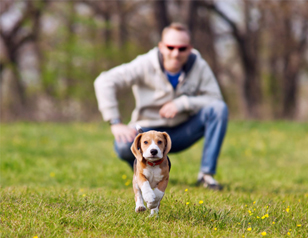

The first week with a new puppy is an important time for establishing routines, boundaries, and expectations. Learning how to start puppy training is less about teaching commands and more about creating structure and consistency from day one. Introduce the crate as a safe space, establish a regular potty schedule, practise name recognition, and set calm household boundaries. These early habits can help prevent unwanted behaviours as your puppy grows. The Puppy Preschool program from Alpha Paws can help owners build these foundations early.
What to Do the Day Your Puppy Arrives Home
Good puppy preparation tips start with creating a quiet, safe area before your puppy arrives. Give them a confined space where you can supervise them rather than allowing immediate access to the entire home. Introduce the crate calmly on the first day so your puppy can begin recognizing it as a secure place for sleeping and resting, never as punishment.
Keep the first 24 hours simple. Short, calm introductions to household members are better than an overwhelming welcome. If possible, limit visitors during the first 48 hours. Your puppy is adjusting to unfamiliar people, sounds, smells, and surroundings, so providing structure without excessive stimulation can make the transition easier.
Building a Puppy Training Schedule in the First Week
A first-week puppy training schedule does not need to follow every minute on the clock. Instead, establish a predictable daily rhythm your puppy can begin to understand.
Start the morning with a potty break, followed by feeding, a little play or interaction, and another opportunity to go outside. Throughout the day, alternate short periods of activity with naps and quiet time. Training sessions should be brief, often around five minutes, because young puppies have limited attention spans. Regular potty breaks should also follow waking, eating, and play.
In the evening, gradually reduce activity and establish a consistent bedtime routine that includes a final potty break and settling into the crate. These routines also provide early basic obedience foundations by teaching your puppy that you provide direction and structure. Consistency is more important than perfection during the first week of puppy training at home.
What to Teach a Puppy First: The Priority List
When deciding what to teach a puppy first, focus on a few essential skills rather than trying to introduce numerous commands immediately.
Start with name recognition. Say your puppy’s name clearly and calmly, acknowledge their attention, and guide them back to you when their focus wanders. This begins building communication between you and your puppy.
Next, establish comfort with the crate. It should be a safe, familiar space associated with sleeping, resting, and security. Avoid using it as punishment.
Finally, establish a consistent potty routine. Take your puppy outside after waking, eating, and playing, as well as before bedtime. Watch for signs such as sniffing or circling that may indicate they need to go outside.
These priorities give your puppy a manageable introduction to household expectations. More formal obedience skills can follow as communication, routine, and trust develop.
Common First-Week Mistakes That Set Puppies Back
One of the biggest mistakes during the first week with a new puppy is providing too much freedom too soon. Unrestricted access to the home can make supervision, housebreaking, and boundary setting more difficult. Keep your puppy in appropriate areas and gradually expand their freedom as they learn the household routine.
Other common mistakes include delaying crate training, inviting too many visitors during the first few days, and allowing different family members to enforce different rules. Everyone in the household should follow the same expectations and routines so the puppy receives clear, consistent communication.
If establishing those boundaries is proving difficult, in-home puppy support can address training within the environment where your puppy’s everyday behaviours occur.
When to Reach Out for Puppy Training Support
Professional guidance can be especially valuable early, before unwanted behaviours have an opportunity to become established habits. Founded in 2001, Alpha Paws is led by Peter Brown, who has more than 20 years of hands-on experience working with dogs and wolves. Alpha Paws offers Puppy Preschool and In-Home Consultations to help owners understand their puppies, establish structure, and develop effective communication from the beginning.
For help getting your puppy started, contact Alpha Paws or call 905-830-9500 or 1-877-868-PAWS (7297) to discuss the right training option for you and your puppy.