

Complete Guide to Puppy Training From 8 Weeks and Beyond
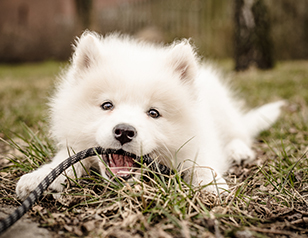
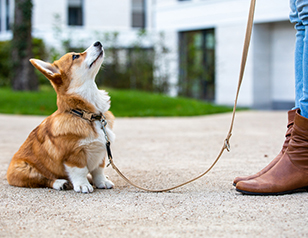
Bringing home a puppy is exciting, but it also marks the beginning of one of the most important learning periods in your dog’s life. This guide to puppy training explains how to start training a puppy as soon as they come home, usually around 8 weeks of age. The first 8 to 16 weeks are critical for building confidence, establishing routines, encouraging good behaviour, and developing clear communication. Starting early helps prevent unwanted habits before they become established. As the American Kennel Club recommends, simple, age-appropriate training can begin as soon as your puppy arrives home. If you are looking for professional puppy preschool training, Alpha Paws can help you build a strong foundation from day one.
When to Start Training a Puppy
One of the most common questions new owners ask is when to start training a puppy. The answer is simple. Training should begin the day your puppy comes home.
At around 8 weeks old, puppies are naturally curious and eager to learn. This is also the beginning of an important socialization period that lasts until about 16 weeks. During this time, puppies develop lifelong impressions about people, other animals, and the world around them.
Waiting too long can allow unwanted behaviours to develop, making them more difficult to change later. Starting with structure, routine, and clear communication helps your puppy feel secure while building trust. Puppies naturally look for guidance, and calm, consistent leadership helps them understand what is expected while strengthening your relationship. Whether you are training at home or choosing to start puppy training early, these first few weeks have a lasting impact.
How to Start Training a Puppy at 8 Weeks
If you are wondering how to start training a puppy, keep things simple. Your goal is to build confidence while establishing routines and teaching your puppy how to understand your communication.
An 8-week-old puppy training plan should focus on learning their name, responding to a recall cue, becoming comfortable with a crate, beginning housebreaking, and wearing a collar or leash indoors. Gentle handling of their paws, ears, and mouth also helps prepare them for grooming and veterinary visits.
Training sessions should last about 5 to 10 minutes. Keep lessons calm, consistent, and encouraging so your puppy finishes each session feeling confident rather than overwhelmed. Avoid introducing too many commands at once. Instead, focus on repetition, structure, and clear expectations so your puppy learns what each cue means.
As your puppy becomes more comfortable, you can gradually introduce sit, stay, come, and loose leash walking through strong basic obedience foundations.
Puppy Training Schedule From 8 to 16 Weeks
A consistent puppy training schedule gives your puppy the structure they need to succeed.
8 weeks: Focus on settling into the home, learning their name, crate training, housebreaking, and building trust. Keep daily routines predictable with regular potty breaks, naps, meals, and short training sessions.
9 to 10 weeks: Introduce simple commands such as sit and come, begin short leash walks in quiet areas, and encourage short periods of independence. Continue reinforcing housebreaking and crate routines while exposing your puppy to new experiences at a comfortable pace.
11 to 12 weeks: Expand training to include stay, leave it, polite greetings, and gentle handling. Introduce different surfaces, household sounds, visitors, and new environments while watching your puppy’s comfort level.
13 to 16 weeks: Strengthen recall, improve impulse control, encourage calm behaviour around distractions, and continue building confidence in new situations. This is an ideal time to reinforce polite leash walking and prepare for more advanced obedience.
Every puppy develops at their own pace. Focus on steady progress through structure, consistency, and communication rather than rushing through milestones.
Socialization During the First 16 Weeks
Socialization is about much more than meeting other dogs. It means giving your puppy calm, controlled exposure to new experiences so they grow into a confident, well-adjusted adult dog.
Introduce your puppy to different people, children, vaccinated dogs, neighbourhood walks, car rides, household sounds, and a variety of surfaces. Observe your puppy’s body language throughout each experience. If they appear uncertain or overwhelmed, slow the pace and allow them to build confidence gradually.
Proper socialization also teaches your puppy to remain focused on you despite distractions. Learning to pay attention to your communication in different environments builds trust and supports future obedience training. If you would like extra guidance, Alpha Paws provides puppy socialization support through personalized Puppy Preschool instruction.
Housebreaking, Crate Training, and Sleep Routines
Housebreaking success depends on consistency. Take your puppy outside after waking up, eating, drinking, playing, and before bedtime. Frequent opportunities to succeed help establish good habits while reducing accidents inside the home.
Crate training should create a safe, comfortable place where your puppy can relax. The crate should never be used as punishment. Instead, it becomes a familiar space that encourages calm behaviour and helps your puppy settle during the day and overnight.
Sleep is equally important. Puppies need regular naps, and an overtired puppy is often more excitable, mouthy, and difficult to manage. Maintaining consistent daily routines supports learning while helping your puppy feel secure.
If you need personalized guidance with housebreaking or daily routines, in-home puppy support allows Alpha Paws to develop a plan that fits your puppy and your home.
Puppy Training Tips for Biting, Chewing, and Jumping
Chewing, nipping, and jumping are all normal parts of puppy development, especially while teething. The key is teaching your puppy appropriate behaviour before these habits become routine.
Redirect chewing toward appropriate toys, remain calm when your puppy becomes mouthy, and avoid rough play that encourages jumping or biting. Consistency from every member of the household helps your puppy understand which behaviours are acceptable.
At Alpha Paws, training focuses on teaching owners how to communicate clearly with their puppies through natural training methods, calm leadership, and mutual respect. Rather than relying on food-based systems, the goal is to develop lasting behaviour through structure and consistency. If unwanted behaviours continue, professional support for puppy behaviour concerns can help address the underlying cause.
What Your Puppy Should Learn by 6 Months
By six months, most puppies should be making steady progress with housebreaking, polite leash walking, reliable recall, and basic obedience. They should also become more comfortable spending short periods alone and demonstrate better impulse control around people, other dogs, and everyday distractions.
Every puppy develops differently, so avoid comparing your dog’s progress to others. Consistent practice, clear communication, and patient leadership will help reinforce these important skills as your puppy continues through basic obedience progression.
Training Beyond Puppyhood: Is It Ever Too Late?
Early training provides the strongest foundation, but it is never too late to improve your dog’s behaviour.
Older puppies and adult dogs can still learn through consistent leadership, structure, and communication. Dogs with previous trauma, inconsistent routines, or limited socialization may require additional time, but meaningful progress is still possible.
Whether you have a young puppy or an older dog, Alpha Paws offers personalized dog training programs that address the root causes of behaviour while strengthening communication between you and your dog.
How Alpha Paws Supports Puppy Training
With more than 20 years of hands-on experience working with dogs and wolves, Alpha Paws’ founder Peter Brown has developed a practical approach that helps owners understand and communicate with their dogs using natural training methods.
Rather than relying on food-based training systems, Alpha Paws teaches owners how to provide calm leadership, establish structure and consistency, and build relationships based on mutual respect. Training is fully personalized and delivered through one-on-one instruction, including Puppy Preschool, Basic Obedience, Behaviour Issue Training, In-Home Consultations, and progression toward Off Leash training. Group classes are not offered, allowing every program to focus on the individual needs of each dog and family.
Learn more about Alpha Paws, discover who we are, view our pricing, or contact us to get started.
FAQs About Puppy Training
What Should An 8-Week-Old Puppy Learn First?
An 8-week-old puppy should begin learning their name, housebreaking routines, crate comfort, gentle leash introduction, recall, and how to respond to your communication and leadership.
How Long Should Puppy Training Sessions Be?
Keep training sessions between 5 and 10 minutes. Short, consistent lessons help young puppies stay engaged while building confidence and understanding.
What Is a Good Puppy Training Schedule?
A good puppy training schedule includes regular potty breaks, short training sessions, supervised play, controlled socialization, naps, and consistent mealtimes. Predictable routines help puppies learn faster and feel more secure.
When Should I Get Professional Puppy Training Help?
Professional guidance can be helpful from the day your puppy comes home. Whether you want help building strong foundations or addressing specific behaviours, Alpha Paws offers personalized puppy preschool training and one-on-one support. To learn more, contact us.
This guide to puppy training is designed to help you build a confident, well-mannered dog through clear communication, structure, consistency, and mutual respect. Starting early gives your puppy the best opportunity to develop lifelong habits that strengthen your relationship for years to come.